Good Meat BreakdownGood Meat® Snapshots
Eric Cooper

Written by Good Meat Project
Revised
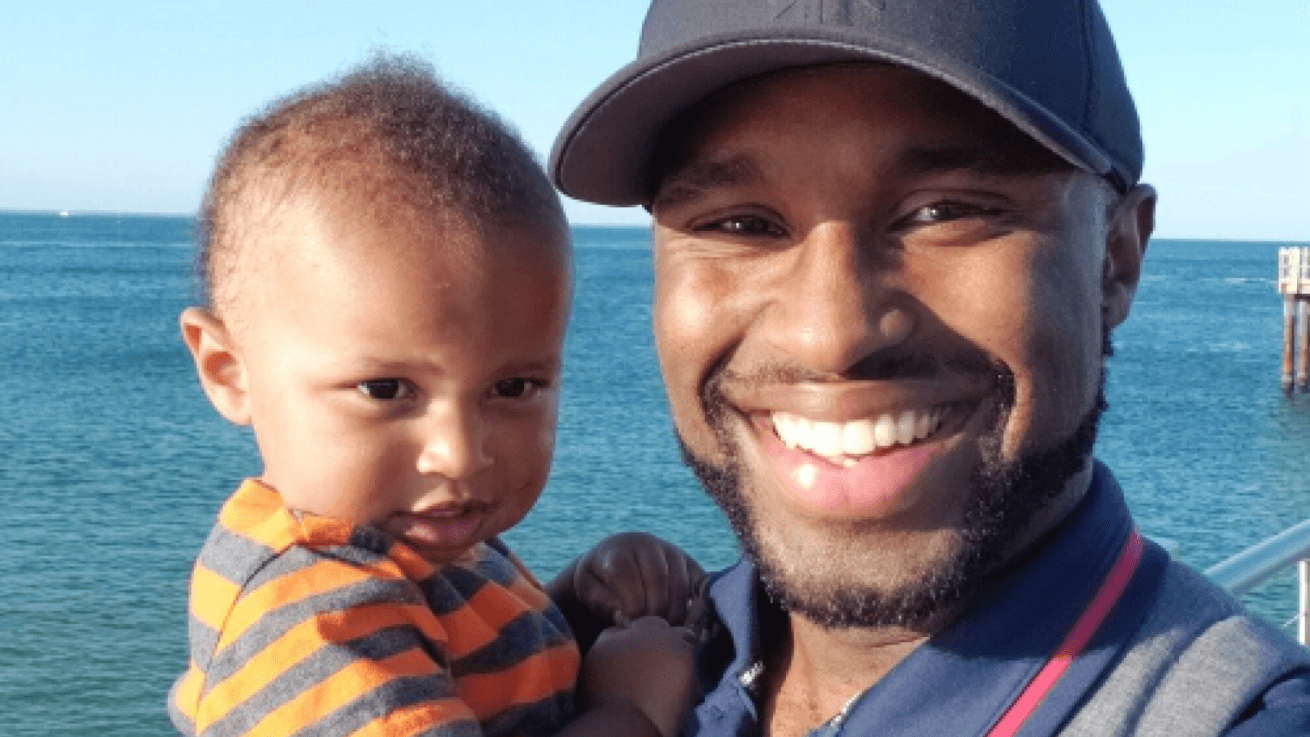
Eric Cooper lives in Salem, New Hampshire with his wife and two kids. He owns and runs his own financial planning practice. He buys meat from a combination of local grocery stores, butcher shops, and farms.
He enjoys experimenting in the kitchen with lesser known parts of the animal. Five years ago he started hunting, and hopes to be able to provide wild meat for his family on a regular basis. He is also learning how to process whole animals himself.
Why did you become a Good Meat® eater?
This type of eating was not a thing when I was a little kid. Then my parents met some people in our church who got them thinking about healthy eating and local eating. I grew up homeschooled, eating dandelion greens. We bought chicken and fish from a local butcher. When I was 11 or so, we joined a raw milk co-op and we visited a bison farm called Yankee Farmers Market and joined their meat co-op. So this idea of buying good meat directly from farmers was introduced to me at a young age. By the time my parents had seven kids, our budget tightened and we spent less time cooking this kind of food. But as a teenager I saw that kids around me had diseases and afflictions, like obesity and allergies, so I started looking into pesticides and preservatives and other practices. I’m not a scientist, but at a pretty young age, I came to the conclusion that, when you eat food that’s closer to life, it’s more life sustaining. As an adult, I watched Cooked by Michael Pollan, which was really instructive. I started learning new culinary skills and that led me to hunting. I wanted to be able to provide wild meat for my family that’s untainted. So, I added wild meat to my life too.
Where do you buy most of your meat?
A while back I started my own insurance practice and worked with a lot of farms. To find clients, I would go to farmers markets, or I’d go to restaurants and read the names of the farms on the menu. I started developing relationships with all these people, started understanding how it all works, how pricing works, started making different eating decisions because of my work with them. I still buy specific cuts from Yankee Farmers Market farm. I also buy some from Brookford Farm. Cost is still an issue for me, as it is for others, so I buy meat from these places when I can, but we buy meat from the grocery store pretty regularly. I do like to try and experiment with the whole animal, so I buy everything from testicles to hearts from Yankee Farmers Market. I’m still working up to the idea of buying a meat share. I also really want to learn how to process a whole carcass myself, which would save money.
What meat, or meat dish, do you eat most regularly and what do you eat for a special occasion?
We regularly eat beef and bison. Marinated sirloin tips on the grill or broiled are the most common meat dish I eat. For special occasions, I'm definitely making some elk tenderloin in the sous vide machine, hitting it for a while with a cold smoking gun, and topping it with copious amounts of gremolata compound butter.
What is your biggest challenge or obstacle when it comes to eating meat that aligns with your Good Meat® values?
Cost. Naturally, the thin margins of the agricultural economy are reflected in the meat retail economy. Thematically, the cost is worth paying, but sometimes circumstances don't permit the investment. I also struggle with how to discern if someone is really selling Good Meat. There are plenty of places that call themselves butcher shops, or claim the "local" moniker. A butcher shop can be local, but not source meat locally. Defining what's "local" is also not a universally accepted standard. Some shops are butchering themselves, while others are processing through a commercial butcher and marking the price up before putting the meat behind the glass. Some shops are really nothing more than a diet grocery store, with good branding that makes it look like local, high quality meat when it’s not. These are some of the unknowns that make it hard to commit to the price tag.
Good Meat® Snapshots
Popular Links
Transparency in meat, from pasture to plate.
Practical tools and a national directory to help you choose—and champion—ethical and responsible meat.